
Plasma Cutting
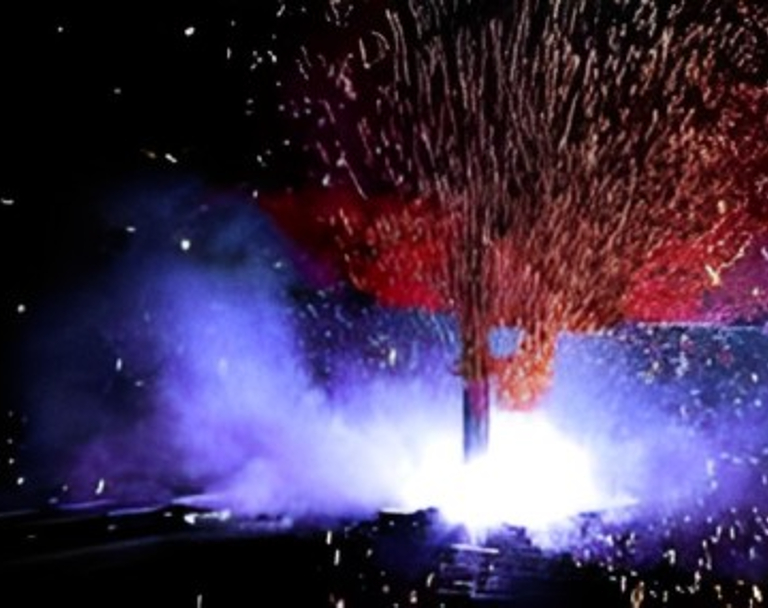
Plasma cutting, also referred to as plasma arc cutting, operates as a melting process. This method employs a jet of ionized gas at temperatures exceeding 20,000°C to melt the material, expelling it from the cut.
In the plasma cutting process, gas is propelled through a narrow nozzle at high velocity, connected to an electric current that generates an ionised plasma stream. This intense plasma stream effectively melts the metal, and any resulting molten material is swiftly blown away by the high-velocity gas, delivering a precise cut edge. This method proves particularly effective for materials that present challenges with traditional flame cutting techniques.
Our Plasma Cutting Capabilities
*With a bed size of 6,000MM X 3,000MM
*Cutting capacity of up to 100MM Thick
Key Benefits of Plasma Cutting
High Cutting Speed:
Firstly, plasma cutting excels in terms of speed, making it a preferred choice for projects that demand efficiency without compromising precision. As a result, manufacturers can complete cutting processes more quickly, which helps improve productivity and reduce overall project timelines. This makes plasma cutting particularly beneficial for large scale production or time sensitive stainless steel fabrication.
Versatility in Thickness:
In addition, plasma cutting is capable of handling a wide range of stainless steel thicknesses, making it suitable for both thin sheets and thicker structural components. Consequently, this flexibility allows it to be used across a variety of industries and applications, from detailed fabrication work to heavy-duty industrial parts. Because of this, plasma cutting remains a practical and reliable solution for diverse stainless steel cutting requirements.
Minimal Heat Affected Zone:
Furthermore, compared to traditional cutting methods, plasma cutting produces a smaller heat-affected zone. Therefore, the risk of material distortion is significantly reduced, helping to preserve the structural integrity and properties of stainless steel. Ultimately, this contributes to cleaner cuts and more consistent results, which are essential for maintaining quality in fabricated components.